
joint, muscle and spine problems can affect everyday activities such as walking, standing, climbing stairs and performing routine tasks. Conditions like fractures, arthritis, back pain and joint injuries may cause discomfort and restrict movement if they are not evaluated and managed properly.
Orthopedic care focuses on diagnosing and treating conditions related to the musculoskeletal system, which includes bones, joints, muscles, ligaments and tendons. Depending on the patient’s condition, treatment may involve medication, physiotherapy, fracture management or surgery.
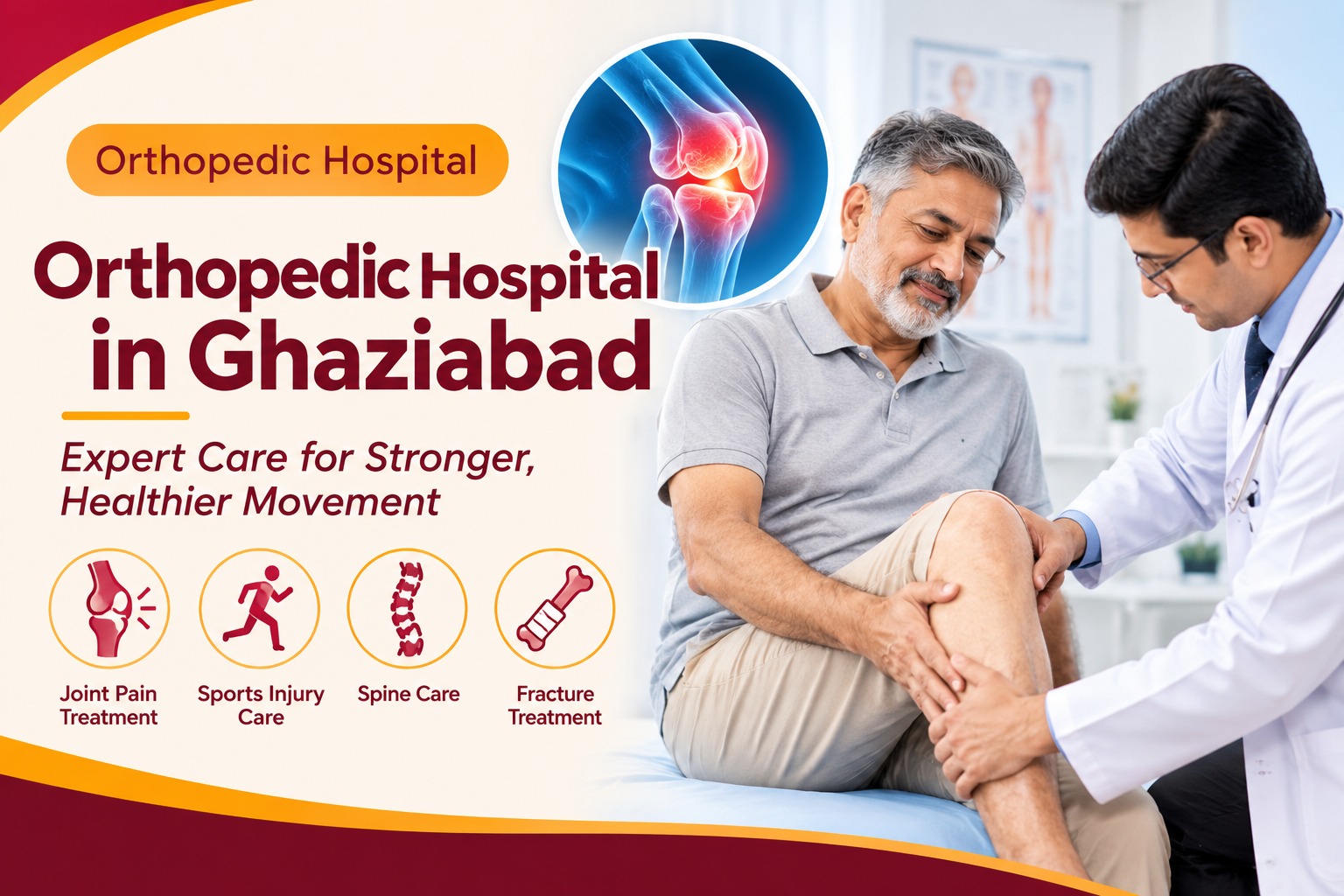
If you are searching for an Orthopedic Hospital in Ghaziabad, it is important to choose a healthcare facility that offers appropriate diagnosis, specialist consultation, treatment planning and rehabilitation support.
Jeevan Asha Hospital & Rehabilitation Center (JAHRC), located in Muradnagar, Ghaziabad, provides orthopedic services for different bone, joint and musculoskeletal conditions. Its Orthopedics Department focuses on fracture care, joint replacement, spine-related problems, arthritis management and rehabilitation.
Orthopedic Hospital in Ghaziabad
Finding the right hospital for orthopedic treatment is important for patients experiencing bone injuries, joint pain, fractures or movement-related difficulties. Proper evaluation helps identify the cause of the problem and determine whether the patient needs non-surgical treatment or an operation.
At Jeevan Asha Hospital & Rehabilitation Center, the Orthopedics Department is led by Dr. S.O. Gupta. The department manages orthopedic emergencies as well as routine outpatient cases, including different types of fractures.
The hospital’s orthopedic care approach focuses on accurate diagnosis, suitable treatment and rehabilitation to support mobility and improve the patient’s quality of life.
What Does an Orthopedic Specialist Treat?
An orthopedic specialist diagnoses and manages conditions affecting the bones, joints, muscles and other structures responsible for body movement.
Some common conditions that may require orthopedic consultation include:
- Fractures: A break or crack in a bone caused by accidents, falls or injuries.
- Arthritis: Joint inflammation that may cause pain, stiffness and reduced movement.
- Back Pain: Discomfort related to muscles, spinal structures or other underlying conditions.
- Slip Disc: A condition in which a spinal disc may press on nearby nerves and cause pain or other symptoms.
- Joint Injuries: Damage to ligaments, tendons or other structures around a joint.
- Dislocations: An injury in which a bone moves out of its normal joint position.
- Neck Pain: Discomfort that may affect neck movement and sometimes extend towards the shoulders or arms.
The recommended treatment depends on the patient’s symptoms, medical history and diagnostic findings.
Common Orthopedic Problems and Their Symptoms
Orthopedic conditions can develop due to ageing, injuries, repetitive activities, joint wear and tear or other medical factors. Recognising the symptoms can help patients seek medical advice at the right time.
1. Fractures
A fracture occurs when a bone breaks or develops a crack. It may happen after a fall, road accident, sports injury or direct impact.
Common symptoms include:
- Severe pain around the injured area
- Swelling and bruising
- Difficulty moving the affected limb
- Tenderness around the bone
- Visible deformity in some cases
A suspected fracture should be medically assessed. Avoid trying to straighten or reposition the injured limb yourself.
2. Arthritis and Joint Pain
Arthritis affects the joints and can cause pain, stiffness and swelling. Osteoarthritis and rheumatoid arthritis are among the conditions that may require orthopedic evaluation.
Patients may experience:
- Joint stiffness, especially after resting
- Pain while walking or climbing stairs
- Swelling around the joint
- Reduced flexibility
- Difficulty performing daily activities
Treatment depends on the type and severity of arthritis.
3. Back Pain and Spine Problems
Back pain can occur due to muscle strain, spinal disc problems, posture-related issues or other underlying conditions.
Common symptoms include:
- Persistent lower back pain
- Pain extending towards the legs
- Stiffness and restricted movement
- Tingling or numbness
- Discomfort while sitting or standing for long periods
Back pain accompanied by new leg weakness or loss of bladder or bowel control requires urgent medical assessment.
4. Joint Injuries and Dislocations
Joint injuries can affect the shoulder, knee, elbow, ankle and other areas. They may occur during sports, exercise, falls or accidents.
Symptoms may include swelling, pain, instability and difficulty moving the affected joint. A proper examination helps determine the extent of the injury and the required treatment.
Orthopedic Treatment Options Available at Jeevan Asha Hospital
Orthopedic treatment is planned according to the condition, its severity and the patient’s overall health. JAHRC’s Orthopedics Department provides care across several areas of bone and joint health.
1. Fracture and Trauma Care
Fractures and accident-related injuries require timely assessment to understand the location and extent of bone damage.
JAHRC’s Orthopedics Department manages different fractures, including:
- Both-bone forearm fractures (BBFA)
- Leg fractures
- Neck fractures
- Colles fractures
- Femur fractures
- Supracondylar fractures of the humerus and femur
Depending on the injury, treatment may involve immobilisation, fracture fixation or other medically appropriate procedures.
2. Knee and Hip Replacement
Severe joint damage and advanced arthritis can make walking and everyday movement difficult. In selected cases, knee or hip replacement surgery may be recommended.
Joint replacement involves replacing damaged joint surfaces with artificial components to reduce pain and improve joint function.
The decision to undergo surgery depends on the patient’s condition, symptoms, imaging findings and response to other treatment options.
3. Spine and Back Pain Treatment
Spine-related conditions can affect movement, posture and daily comfort. Problems such as slipped discs, sciatica and cervical pain may require specialised evaluation.
Treatment options may include:
- Prescribed medication
- Physiotherapy
- Activity and posture modifications
- Further investigations
- Surgical intervention when medically necessary
The appropriate approach depends on the underlying cause and severity of the symptoms.
4. Arthritis and Joint Pain Management
Arthritis can gradually affect joint movement and make routine activities challenging. Proper evaluation helps identify the type of arthritis and understand how much the joint has been affected.
Treatment planning may focus on managing pain, improving flexibility and maintaining mobility. Depending on the condition, doctors may recommend medication, physiotherapy, lifestyle changes or surgery.
How Are Orthopedic Conditions Diagnosed?
Accurate diagnosis is an important part of orthopedic treatment. Doctors evaluate symptoms, medical history and physical findings before recommending investigations.
Depending on the suspected condition, diagnostic assessment may include:
1. Physical Examination
The doctor checks the affected area for swelling, tenderness, movement limitations, deformity and joint stability.
2. X-Ray
X-rays are commonly used to examine bones and identify fractures, dislocations and certain joint changes.
3. MRI Scan
An MRI may be recommended when doctors need detailed images of soft tissues, ligaments, muscles, cartilage or spinal structures.
4. CT Scan
A CT scan can provide detailed images of bones and may be useful when evaluating complex fractures or certain joint injuries.
5. Additional Investigations
Some conditions may require blood tests or other investigations to understand the underlying cause. The doctor decides which tests are necessary based on the patient’s symptoms and examination.
Why Choose Jeevan Asha Hospital for Orthopedic Care?
Choosing a hospital for orthopedic treatment involves considering the available services, specialist expertise, diagnostic support and rehabilitation facilities.
Jeevan Asha Hospital & Rehabilitation Center focuses on orthopedic care as part of its wider healthcare and rehabilitation services.
Some important aspects of its orthopedic department include:
- Orthopedic Specialist Care: The department is led by Dr. S.O. Gupta, who manages routine orthopedic cases and emergencies.
- Fracture Management: The department has experience managing different types of fractures and accident-related injuries.
- Joint Replacement Services: Knee and hip replacement are included among the orthopedic treatment services listed by the hospital.
- Spine and Back Pain Care: Patients can seek evaluation for conditions such as slipped discs, sciatica and cervical pain.
- Rehabilitation Support: The hospital also provides physiotherapy and rehabilitation services to support patients with movement-related difficulties.
- Patient-Focused Approach: Treatment planning considers the patient’s condition, mobility requirements and recovery needs.
Patients should contact the hospital to confirm the current specialist availability, consultation schedule and specific treatment facilities before booking an appointment.
Importance of Physiotherapy and Rehabilitation After Orthopedic Treatment
Orthopedic care does not always end after medication or surgery. Many patients require rehabilitation to improve strength, flexibility, balance and movement.
Physiotherapy may be recommended after fractures, joint replacement procedures, injuries or certain spine conditions.
The rehabilitation plan may include:
- Exercises to improve joint flexibility
- Muscle-strengthening activities
- Balance and coordination exercises
- Guidance for safe walking and movement
- Gradual return to daily activities
The exercises and duration of rehabilitation vary according to the patient’s condition and recovery progress. Patients should follow the instructions of their treating doctor and physiotherapist.
When Should You Consult an Orthopedic Doctor?
Occasional body aches may improve with rest, but persistent or severe symptoms should not be ignored.
Consider consulting an orthopedic specialist if you experience:
- Joint pain that continues for several days or weeks
- Swelling around the knees, shoulders or other joints
- Difficulty walking or standing
- Persistent back or neck pain
- Repeated joint stiffness
- Limited movement after an injury
- Pain following a fall or accident
- Difficulty performing routine physical activities
Seek emergency medical attention after a major injury, if a limb appears deformed, or if you cannot bear weight on it. Sudden weakness or loss of bladder or bowel control with back pain also needs urgent assessment.
Frequently Asked Questions (FAQs)
1. What does an orthopedic hospital treat?
An orthopedic hospital provides evaluation and treatment for conditions affecting bones, joints, muscles, ligaments and the spine. Common problems include fractures, arthritis, joint injuries, back pain and other movement-related conditions.
2. When should I visit an orthopedic specialist?
You should consider consulting an orthopedic specialist if you have persistent joint pain, swelling, restricted movement, repeated back pain or difficulty walking. Injuries and suspected fractures should be assessed promptly.
3. Does Jeevan Asha Hospital provide fracture treatment?
Yes. The hospital’s Orthopedics Department provides fracture and trauma care and lists experience managing different fractures, including forearm, leg, neck, Colles and femur fractures.
4. What is the difference between knee replacement and hip replacement?
Knee replacement involves replacing damaged parts of the knee joint, while hip replacement involves replacing damaged parts of the hip joint. Both procedures may be considered for selected patients with severe joint damage.
5. Can back pain be treated without surgery?
Many back pain conditions can be managed without surgery through suitable medication, physiotherapy and activity modifications. Surgery may be considered in selected cases depending on the diagnosis and severity.
6. Why is physiotherapy important after orthopedic surgery?
Physiotherapy can help patients gradually improve strength, flexibility, balance and movement after surgery. The rehabilitation programme should be planned according to the procedure and the patient’s recovery.
7. Which doctor leads the Orthopedics Department at Jeevan Asha Hospital?
According to the hospital’s official Orthopedics page, Dr. S.O. Gupta leads its Orthopedics Department and manages routine outpatient cases as well as orthopedic emergencies.
8. Does Jeevan Asha Hospital provide joint replacement services?
The hospital lists knee and hip replacement among its orthopedic services. Patients should contact the hospital to confirm the current availability and consultation arrangements.
9. What should I bring to an orthopedic consultation?
You should carry previous X-rays, MRI or CT reports, prescriptions, medical records and details of any earlier surgery or injury. These documents can help the doctor understand your medical history.
10. Where is Jeevan Asha Hospital located?
Jeevan Asha Hospital & Rehabilitation Center is located at Village Didoli, Kavad Marg, Gangnahar, Muradnagar, Ghaziabad, Uttar Pradesh 201206. Patients can contact the hospital to confirm directions and appointment details.
Conclusion
Bone, joint and spine conditions can affect mobility, independence and overall quality of life. Timely diagnosis, suitable treatment and proper rehabilitation are important for managing orthopedic problems and supporting recovery.
If you are searching for an Orthopedic Hospital in Ghaziabad, Jeevan Asha Hospital & Rehabilitation Center offers orthopedic services covering fracture and trauma care, knee and hip replacement, spine-related conditions and arthritis management. With its focus on orthopedic treatment and rehabilitation, the hospital aims to support patients in improving movement and managing musculoskeletal conditions.
Do not ignore persistent joint pain, swelling, back discomfort or movement difficulties. Consult a qualified orthopedic specialist to understand your condition and discuss the most appropriate treatment options.