
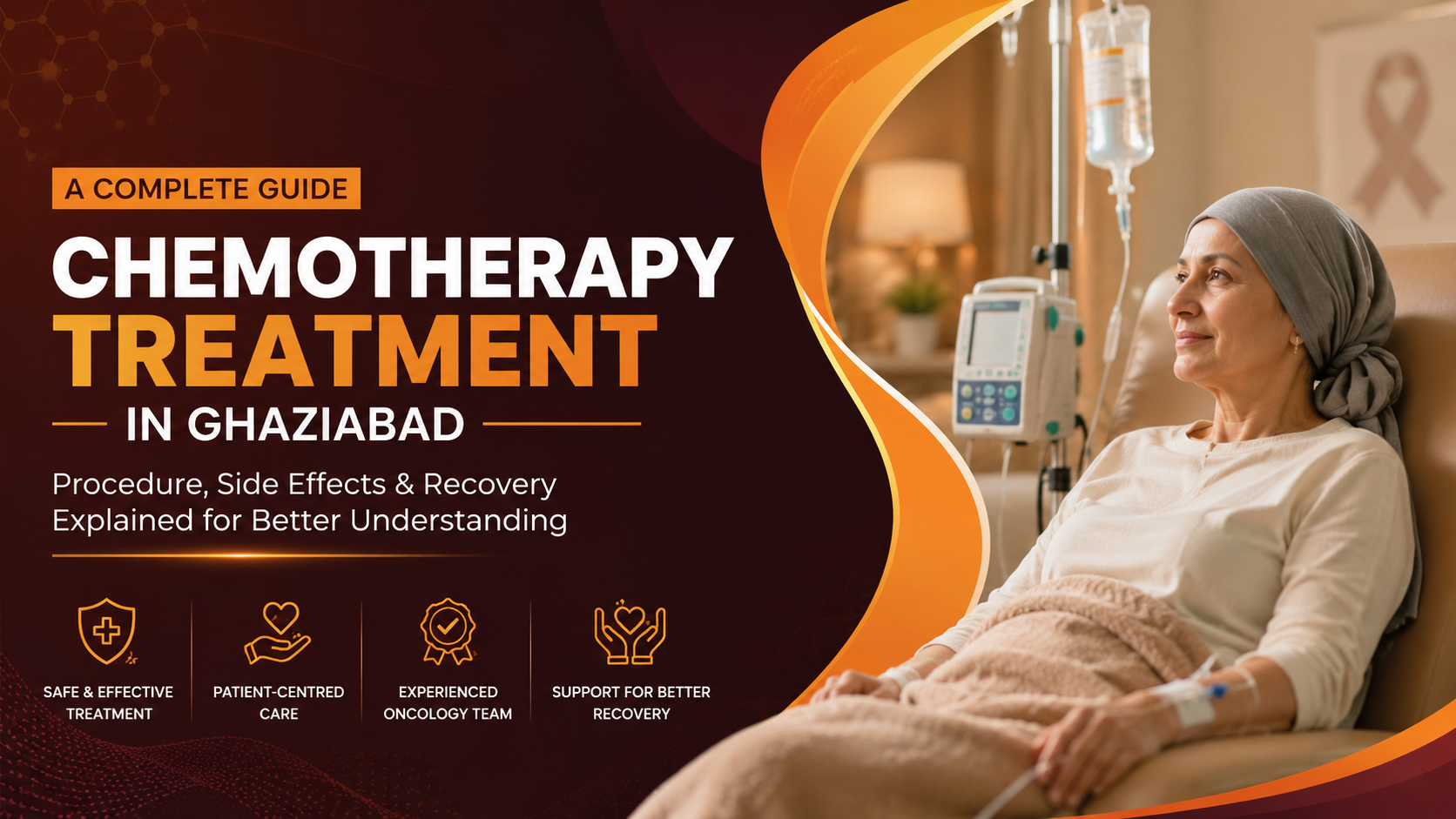
Cancer treatment can feel overwhelming, especially when chemotherapy becomes part of the treatment plan. Jeevan Asha Hospital & Rehabilitation Centre provides patient-focused cancer care, helping individuals and families understand their diagnosis, treatment options, and recovery journey.
For patients looking for Chemotherapy Treatment in Ghaziabad, understanding how chemotherapy works, what happens during a session, its possible side effects, and how to care for yourself afterward can help you feel more prepared.
Jeevan Asha Hospital & Rehabilitation Centre is committed to making cancer treatment accessible and affordable for all patients, providing quality cancer care at a very affordable cost while maintaining a patient-centred approach.
Chemotherapy is an important cancer treatment that uses medicines to destroy cancer cells or stop them from multiplying. Depending on the type, stage, and characteristics of cancer, chemotherapy may be recommended before surgery, after surgery, alongside radiation therapy, or as part of treatment for advanced cancer.
What Is Chemotherapy?
Chemotherapy involves the use of specific anti-cancer medicines to target cancer cells. These medicines can travel through the bloodstream and reach cancer cells in different parts of the body.
Cancer cells typically multiply more rapidly than many normal cells. Chemotherapy works by interfering with processes that allow these cells to grow and divide.
However, some healthy cells also divide rapidly, which is why chemotherapy can cause certain temporary side effects.
The purpose of chemotherapy varies from patient to patient. It may be used to:
- Shrink a tumour before surgery
- Destroy cancer cells remaining after surgery
- Reduce the possibility of cancer returning
- Control cancer that has spread to other organs
- Slow cancer progression
- Relieve certain cancer-related symptoms
- Improve quality of life in advanced cancer
Your oncologist determines the treatment approach after considering the cancer type, stage, test results, overall health, and previous treatments.
Who May Need Chemotherapy?
Chemotherapy is not required for every person diagnosed with cancer. Its suitability depends on the individual’s diagnosis and treatment objectives.
It may be recommended for several types of cancer, including:
- Breast cancer
- Lung cancer
- Blood cancers
- Lymphoma
- Colorectal cancer
- Ovarian cancer
- Stomach cancer
- Pancreatic cancer
- Head and neck cancers
- Certain childhood cancers
- Other cancers based on the individual treatment plan
The decision is generally made after reviewing diagnostic reports, imaging, biopsy findings, staging information, and other relevant factors.
How Does Chemotherapy Treatment Work?
Chemotherapy medicines interfere with the growth and multiplication of cancer cells. Different medicines work in different ways, and doctors may combine several medicines to achieve the desired treatment effect.
In some cases, chemotherapy is used as the main treatment. In others, it forms one part of a larger cancer treatment plan.
Before Surgery
Chemotherapy may be given to reduce the size of a tumour and make surgery more manageable.
After Surgery
It may be recommended to target cancer cells that could remain in the body after the tumour has been removed.
Alongside Other Treatments
Chemotherapy may be combined with radiation therapy, targeted therapy, immunotherapy, or surgery depending on the cancer and treatment plan.
What Happens During Chemotherapy Treatment in Ghaziabad?
A chemotherapy session generally begins with an assessment by the oncology team.
Before treatment, your doctor may review:
- Blood test results
- Blood cell counts
- Kidney and liver function
- Weight and general health
- Previous treatment response
- Current medicines
- Any symptoms or side effects
Once the patient is considered fit for the scheduled treatment, the prescribed chemotherapy medicines are administered.
Step 1: Medical Assessment
The medical team checks whether the patient is ready for that particular chemotherapy cycle.
Step 2: Pre-Medication
Depending on the chemotherapy protocol, medicines may be given before chemotherapy to help prevent nausea, allergic reactions, or other treatment-related problems.
Step 3: Chemotherapy Administration
The chemotherapy medicine is administered according to the prescribed protocol. The duration may vary depending on the medicines being used.
Step 4: Monitoring
Healthcare professionals monitor the patient during the session and look for any immediate reactions.
Step 5: Post-Treatment Guidance
After treatment, patients receive instructions regarding medicines, food, hydration, activity, possible side effects, and warning signs that require medical attention.
How Is Chemotherapy Administered?
Chemotherapy is not always given in the same way. The route depends on the medicine, cancer type, and treatment protocol.
Intravenous Chemotherapy
The medicine is delivered directly into a vein. Some patients receiving repeated treatments may have a port or other central venous access device.
Oral Chemotherapy
Certain anti-cancer medicines are available as tablets or capsules. These medicines must be taken exactly according to the oncologist’s instructions.
Other Routes
In selected situations, chemotherapy may be administered through other routes depending on the cancer and treatment objective.
What Are Chemotherapy Cycles?
Chemotherapy is commonly planned in cycles rather than as one continuous treatment.
A cycle may include a treatment day or several treatment days followed by a recovery period. This allows the body time to recover before the next scheduled treatment.
The number of cycles depends on factors such as:
- Type of cancer
- Stage of cancer
- Treatment objective
- Medicines being used
- Response to treatment
- Patient’s overall health
Your oncologist will explain your individual chemotherapy schedule.
Common Side Effects of Chemotherapy
Chemotherapy can affect healthy cells as well as cancer cells, particularly cells that naturally divide quickly. As a result, some patients experience side effects.
However, side effects vary significantly from person to person. Experiencing more side effects does not necessarily mean chemotherapy is working better, and having fewer side effects does not mean the treatment is ineffective.
1. Fatigue
Tiredness is one of the common effects experienced during cancer treatment. It may become more noticeable after chemotherapy sessions.
Planning rest periods and maintaining appropriate physical activity can help manage fatigue.
2. Nausea and Vomiting
Some chemotherapy medicines can cause nausea or vomiting. Doctors may prescribe anti-nausea medicines before or after chemotherapy to reduce these symptoms.
3. Hair Loss
Certain chemotherapy medicines can affect hair follicles, leading to hair thinning or hair loss. Hair generally begins to grow again after treatment, although the timing varies.
4. Changes in Appetite and Taste
Patients may notice changes in taste, smell, or appetite. Small, frequent meals and adequate hydration may make eating easier.
5. Reduced Blood Cell Counts
Chemotherapy can temporarily affect the production of blood cells in the bone marrow. This may result in:
- Increased infection risk
- Anaemia-related tiredness
- Increased tendency to bruise or bleed
Regular blood tests help doctors monitor these changes.
6. Mouth Sores
Some chemotherapy medicines may cause mouth sensitivity or sores. Good oral hygiene and appropriate mouth care can help reduce discomfort.
7. Skin and Nail Changes
Some patients experience dry skin, pigmentation changes, sensitivity, or nail changes during treatment.
If you notice a significant skin reaction, inform your healthcare team rather than using medicines or creams without professional advice.
How Can Chemotherapy Side Effects Be Managed?
Modern cancer care includes supportive treatment to help patients manage chemotherapy-related side effects.
Depending on the symptoms, your doctor may recommend:
- Anti-nausea medicines
- Nutritional support
- Adequate hydration
- Medicines for specific symptoms
- Oral and dental care
- Infection-prevention measures
- Rest and activity adjustments
- Regular blood investigations
Patients should always discuss new or worsening symptoms with their oncology team.
When Should You Contact Your Oncology Team?
Some symptoms during chemotherapy require prompt medical attention.
Contact your healthcare team if you experience:
- Fever or chills
- Difficulty breathing
- Persistent vomiting
- Severe diarrhoea
- Unusual bleeding
- Severe weakness
- Signs of infection
- Significant dizziness
- Severe or unexplained pain
- Difficulty eating or drinking
Your oncologist should provide specific instructions about emergency symptoms and when immediate medical care is required.
How to Prepare for Chemotherapy
Being prepared can make chemotherapy days more comfortable.
Before Your Appointment
- Follow the instructions given by your oncology team.
- Complete recommended blood tests and investigations.
- Take prescribed medicines as advised.
- Eat and drink according to your doctor’s instructions.
- Wear comfortable clothing.
- Keep your previous medical reports and medication list available.
- Arrange transportation if you expect to feel tired after treatment.
It can also be useful to maintain a treatment diary where you record symptoms, medicines, appointments, and questions for your doctor.
Recovery After Chemotherapy
Recovery time differs from one patient to another. Some people may experience fatigue or other symptoms for several days following treatment.
Focus on Nutrition
A balanced diet containing adequate protein and calories can support nutritional health. If appetite is poor or eating becomes difficult, ask your healthcare team about nutritional support.
Stay Hydrated
Adequate fluid intake can be important during treatment, unless your doctor has recommended fluid restrictions.
Rest When Necessary
Do not ignore excessive tiredness. Give your body adequate time to recover between activities.
Remain Active Within Your Limits
Light physical activity, such as walking, may help maintain mobility and strength when medically appropriate. Avoid overexertion and follow your doctor’s advice.
Look After Your Emotional Well-Being
Cancer treatment can affect emotional health as well as physical health. Staying connected with family, friends, support groups, or a counsellor can be beneficial.
Can Patients Work During Chemotherapy?
Some patients continue working during chemotherapy, while others require reduced working hours or temporary leave.
This depends on:
- Type of chemotherapy
- Treatment schedule
- Side effects
- Nature of the patient’s work
- Overall health
- Individual response to treatment
Discuss your routine with your oncology team so that work and treatment can be planned realistically.
How Long Do Chemotherapy Side Effects Last?
There is no single recovery timeline for everyone.
Some side effects may improve within days after a chemotherapy session, while others may take longer. Certain effects may continue for some time after treatment has finished.
The expected duration depends on the chemotherapy medicines, dosage, treatment duration, and individual response.
Why Regular Monitoring Is Important
Cancer treatment does not end with chemotherapy administration. Regular monitoring helps the oncology team assess how the cancer is responding and whether treatment needs to be continued, modified, or combined with another approach.
Depending on the cancer, monitoring may include:
- Blood tests
- Imaging scans
- Physical examinations
- Tumour-specific tests
- Assessment of symptoms
- Review of treatment-related side effects
Keeping scheduled appointments is therefore an important part of cancer care.
Choosing an Affordable Centre for Chemotherapy Treatment in Ghaziabad
When considering Chemotherapy Treatment in Ghaziabad, patients and families should look beyond the chemotherapy medicine itself. Comprehensive cancer care includes accurate diagnosis, appropriate treatment planning, monitoring, supportive care, and communication with the oncology team.
Cost can also be an important consideration for patients and families. Cancer treatment can place a significant financial burden on households, which is why access to affordable cancer treatment can make a meaningful difference.
Jeevan Asha Hospital & Rehabilitation Centre is dedicated to providing affordable cancer treatment for patients, helping make essential cancer care accessible at a very affordable cost. The hospital focuses on compassionate and coordinated care while helping patients and families understand their treatment journey.
Patients should discuss the complete treatment plan, expected costs, available facilities, and payment-related options with the hospital before beginning treatment.
Why Choose Jeevan Asha Hospital & Rehabilitation Centre?
For patients searching for affordable Chemotherapy Treatment in Ghaziabad, Jeevan Asha Hospital & Rehabilitation Centre aims to provide accessible and patient-centred cancer care.
The approach focuses on:
- Affordable cancer treatment
- Patient-focused care
- Treatment guidance and counselling
- Monitoring during cancer treatment
- Supportive care for treatment-related side effects
- Individualised treatment planning
- Assistance for patients and their families throughout the treatment journey
The appropriate treatment plan depends on the patient’s cancer type, stage, medical history, diagnostic reports, and overall health. Patients should consult a qualified oncology professional before starting chemotherapy.
Frequently Asked Questions About Chemotherapy
Is chemotherapy painful?
Chemotherapy itself is not usually painful when administered through an IV, although inserting an IV line or accessing a port may cause some temporary discomfort. Some patients may experience side effects during or after treatment.
Does chemotherapy always cause hair loss?
No. Hair loss depends on the specific medicines used. Some chemotherapy regimens cause significant hair loss, while others may cause mild thinning or no noticeable hair loss.
Can chemotherapy cure cancer?
In some cancers, chemotherapy can be part of a curative treatment plan. In other situations, it may be used to control cancer, reduce recurrence risk, slow disease progression, or manage symptoms.
How many chemotherapy sessions are required?
There is no standard number of sessions for every patient. The number of cycles depends on the type and stage of cancer, treatment protocol, response, and overall health.
Can chemotherapy be combined with surgery?
Yes. Chemotherapy may be given before or after surgery depending on the cancer and treatment objective.
Can I eat normally during chemotherapy?
Dietary needs vary between patients. A balanced and nutritious diet is generally encouraged, but specific dietary recommendations may be necessary depending on the treatment and individual health condition.
Conclusion
Chemotherapy is a carefully planned cancer treatment that can play an important role in controlling or treating several types of cancer. Knowing what to expect—from the initial assessment and chemotherapy session to possible side effects and recovery—can help patients approach treatment with greater confidence.
For those searching for Chemotherapy Treatment in Ghaziabad, Jeevan Asha Hospital & Rehabilitation Centre focuses on patient-centred cancer care, treatment guidance, monitoring, supportive care, and affordable cancer treatment for patients.
If you or a family member has been advised to undergo chemotherapy, consult a qualified oncologist to understand your diagnosis, available treatment options, expected benefits, possible side effects, and personalised treatment plan.
Disclaimer: This blog is intended for general educational purposes only and should not be considered a substitute for professional medical advice. Chemotherapy medicines, dosage, treatment schedule, and side-effect management vary from patient to patient. Always follow the recommendations of your treating oncology team.